Education
RWU UAR Framework: The Hidden Key Behind Next-Generation Learning

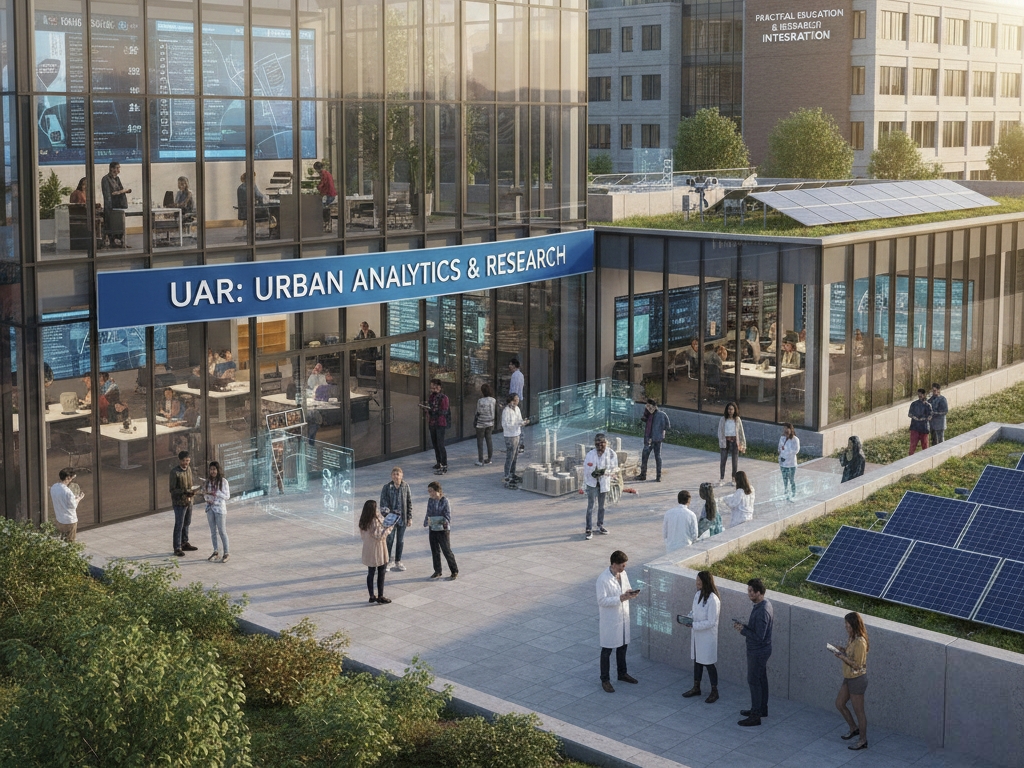
In recent years, rwu uar has emerged as a visionary concept blending culture, innovation, and modern learning into a unified educational approach. As universities evolve to meet the demands of dynamic global societies, this model stands out for prioritizing both real-world experience and applied research. It reflects a shift away from memorization-based teaching toward practical, impact-driven learning that resonates deeply with today’s cultural expectations of relevance, creativity, and lifelong adaptability. By weaving together tradition with futuristic academic methods, RWU UAR offers a framework that prepares students to become inventive thinkers capable of designing solutions that matter. This article explores the origins, structure, and transformative influence of RWU UAR, uncovering why educators, policymakers, and learners increasingly regard it as a blueprint for the future of higher education.
What Is RWU UAR?
RWU UAR represents the integrated educational model that merges Real-World Understanding (RWU) with University Applied Research (UAR). Rather than treating theory and practice as separate realms, it encourages a fluid exchange between academic knowledge and real-world application. The concept grew from the recognition that learners succeed best when they experience a blend of storytelling, hands-on exploration, and meaningful problem-solving. It humanizes education by connecting students’ cultural contexts with innovative research environments, enabling them to contribute to their communities with insight and creativity. RWU UAR makes learning a continuous journey where classroom discoveries transform into practical solutions, fostering graduates who are confident, adaptable, and capable of driving positive change.
Quick Status
| Category | Details |
|---|---|
| Full Concept Name | Real-World Understanding + University Applied Research |
| Abbreviation | RWU UAR |
| Core Focus | Practical learning blended with applied academic research |
| Purpose | Bridge theory with real-world innovation |
| Primary Beneficiaries | Students, educators, research communities, industries |
| Foundations | Cultural relevance, experiential learning, innovation-driven research |
| Emerging Trend | Project-based learning, interdisciplinary collaboration |
RWU UAR as a Modern Educational Philosophy
RWU UAR functions as a forward-thinking educational philosophy designed to connect learners with authentic, real-life scenarios. Through its emphasis on real-world challenges, students explore LSI concepts such as applied learning, experiential education, and research-based innovation. The model’s design encourages active engagement, collaborative projects, and reflective exploration, blending modern academic approaches with culturally rooted storytelling. Its seamless transitions from theory to practice allow individuals to develop critical reasoning, emotional intelligence, and cross-disciplinary creativity. By embracing RWU UAR, institutions reinforce the belief that education should not only transfer knowledge but also empower humans to shape meaningful futures.
How RWU UAR Strengthens Applied Research
Applied research flourishes under the RWU UAR framework because it fosters interaction between learners, researchers, and communities. Students engage in projects that address challenges like sustainability, social equity, urban transformation, and digital innovation. This model nurtures curiosity while grounding ideas in measurable, real-world outcomes. Experts in the field suggest that research grounded in lived experience produces more relevant discoveries and cultivates long-term impact. This insight reinforces how RWU UAR elevates academic exploration, encouraging researchers to think boldly while staying connected to societal needs.
The Cultural Impact of RWU UAR on Students
The cultural influence of RWU UAR is significant because it respects the diversity of learners’ backgrounds while promoting future-ready skills. Students encounter interdisciplinary environments where tradition and modernity coexist, enriching the learning experience. Cultural narratives, community engagement, and identity-centered reflection deepen their understanding of the world. Through projects inspired by cultural realities, students learn to approach innovation with empathy and responsibility. The immersive educational design helps them sharpen their analytical abilities while strengthening their connection to global perspectives, making RWU UAR a culturally resonant learning approach.
Why RWU UAR Benefits Universities and Communities
RWU UAR guides institutions toward building partnerships that benefit both students and the broader community. Universities implementing this model often collaborate with industries, local groups, and research organizations to co-create solutions. These partnerships expose students to mentorship, internships, and real-world design experiences that sharpen their readiness for professional life. On the other hand, communities gain insights, innovations, and practical solutions developed through applied research projects. Such exchanges transform universities into hubs of cultural progress and innovation.
Related topics you may explore on our site include educational innovation and research development.
Future-Proof Learning Through RWU UAR
RWU UAR positions learners for the future by developing adaptability, creativity, and research-driven problem solving. As technological progress accelerates, students increasingly need frameworks that allow them to examine, test, and implement ideas quickly. RWU UAR provides such a structure, creating opportunities to experiment with emerging technologies, interdisciplinary tools, and collaborative methodologies. Graduates from this model enter the world not only with knowledge but with confidence, initiative, and the drive to innovate responsibly.
The Role of Innovation in RWU UAR
Innovation sits at the core of RWU UAR, supported by semantic keywords such as research innovation, experiential projects, future-ready education, and practical learning design. By encouraging experimentation, RWU UAR transforms learners into active creators rather than passive receivers of information. They participate in real-world laboratories, design challenges, and open-ended inquiries that promote exploratory thinking. This empowers them to shape groundbreaking solutions while remaining mindful of cultural contexts and global challenges. Such innovation not only boosts personal development but also contributes to societal advancement.
RWU UAR as a Bridge Between Tradition and the Future
RWU UAR balances the wisdom of traditional learning with the possibilities of a technology-driven future. It celebrates cultural heritage, storytelling, and community-based knowledge while incorporating modern research design and cutting-edge tools. This duality enriches students’ learning experiences, offering them identity, purpose, and imaginative freedom. Through RWU UAR, education becomes a living dialogue between past insights and future aspirations. The model illustrates that innovation does not require abandoning tradition but reinterpreting it in ways that inspire meaningful progress.
Conclusion
In conclusion, the rwu uar model stands as a powerful representation of how education can evolve to meet modern cultural, social, and technological needs. By merging real-world understanding with applied research, it gives learners the tools, confidence, and vision to influence their communities through purposeful innovation. As universities across the globe reimagine the future of learning, RWU UAR serves as a reminder that knowledge becomes truly transformative when it is grounded in human experience and expressed through creative problem-solving. The future of education lies not only in what we learn, but in how we use it to construct a better, more connected world.
FAQs
1. What makes RWU UAR different from traditional education models?
RWU UAR differs from traditional models by placing equal emphasis on theory, hands-on learning, and applied research. Instead of focusing solely on lectures and textbooks, students engage in real-world projects that strengthen critical thinking and innovation. This balance helps learners understand concepts deeply and apply them meaningfully. The model also nurtures community engagement, cultural understanding, and collaborative problem-solving, making it far more dynamic and impactful compared to conventional academic frameworks.
2. How does RWU UAR improve student learning?
Students learn more effectively through RWU UAR because it connects classroom instruction to real-world challenges and applied research. This approach encourages active participation, critical analysis, and experiential exploration. By working on authentic projects, students develop practical skills, emotional intelligence, and cross-disciplinary insight. They become better prepared to handle modern complexities, making their learning both meaningful and relevant. This holistic approach supports deeper comprehension and lifelong learning habits.
3. Why is applied research important within RWU UAR?
Applied research matters because it helps students and researchers create solutions that have a direct impact on society. Within the RWU UAR model, research becomes a collaborative effort rooted in real-world needs. This produces outcomes that are innovative, useful, and culturally meaningful. It also helps learners feel a sense of purpose, knowing that their work contributes to local communities and global problem-solving. Applied research ensures education remains relevant and future-focused.
4. Can RWU UAR be implemented in all academic disciplines?
Yes, the RWU UAR model can be adapted across disciplines—from engineering and business to arts and social sciences. Its core strengths lie in flexibility and interdisciplinary collaboration. Programs can design community projects, research challenges, or cultural studies that integrate theory with hands-on discovery. This universal applicability makes RWU UAR ideal for institutions seeking a transformative approach to learning that touches every field and fosters innovation at all levels.
5. How does RWU UAR prepare students for modern careers?
RWU UAR prepares students for modern careers by helping them develop essential skills such as creativity, adaptability, communication, and research-driven problem solving. Through experiential projects and applied research experiences, learners gain exposure to real industry challenges. This builds confidence and readiness to tackle workplace demands. Employers value graduates who can think critically, innovate responsibly, and collaborate effectively—qualities deeply cultivated by the RWU UAR model.
Read more About mygreatlearning

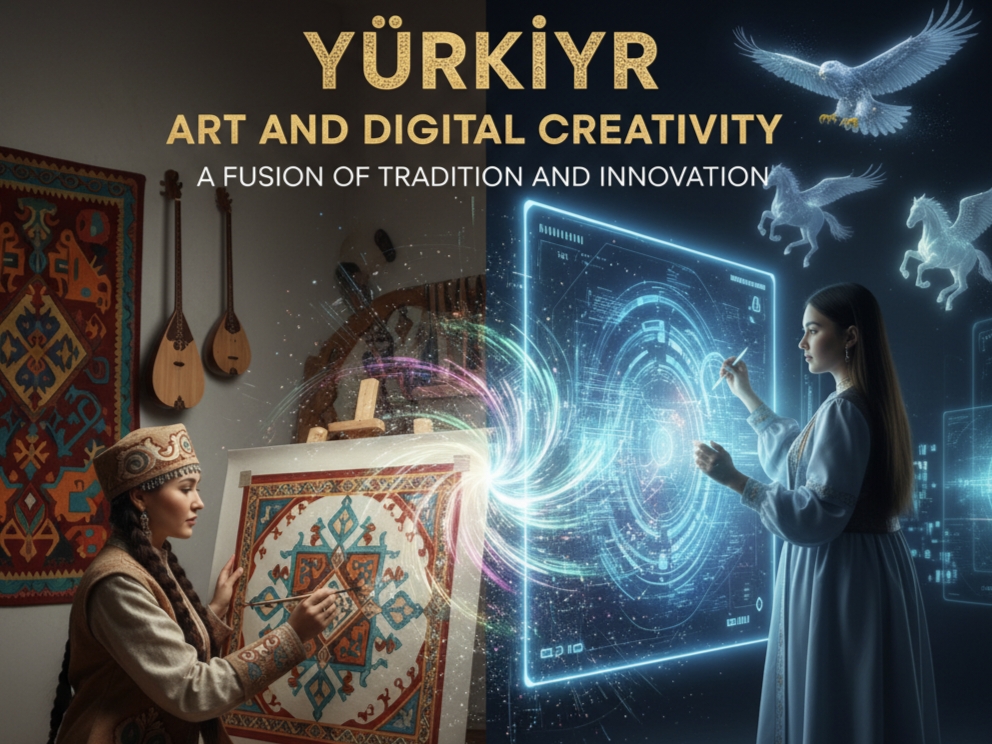
Yürkiyr Art and Digital Creativity: A Fusion of Tradition and Innovation
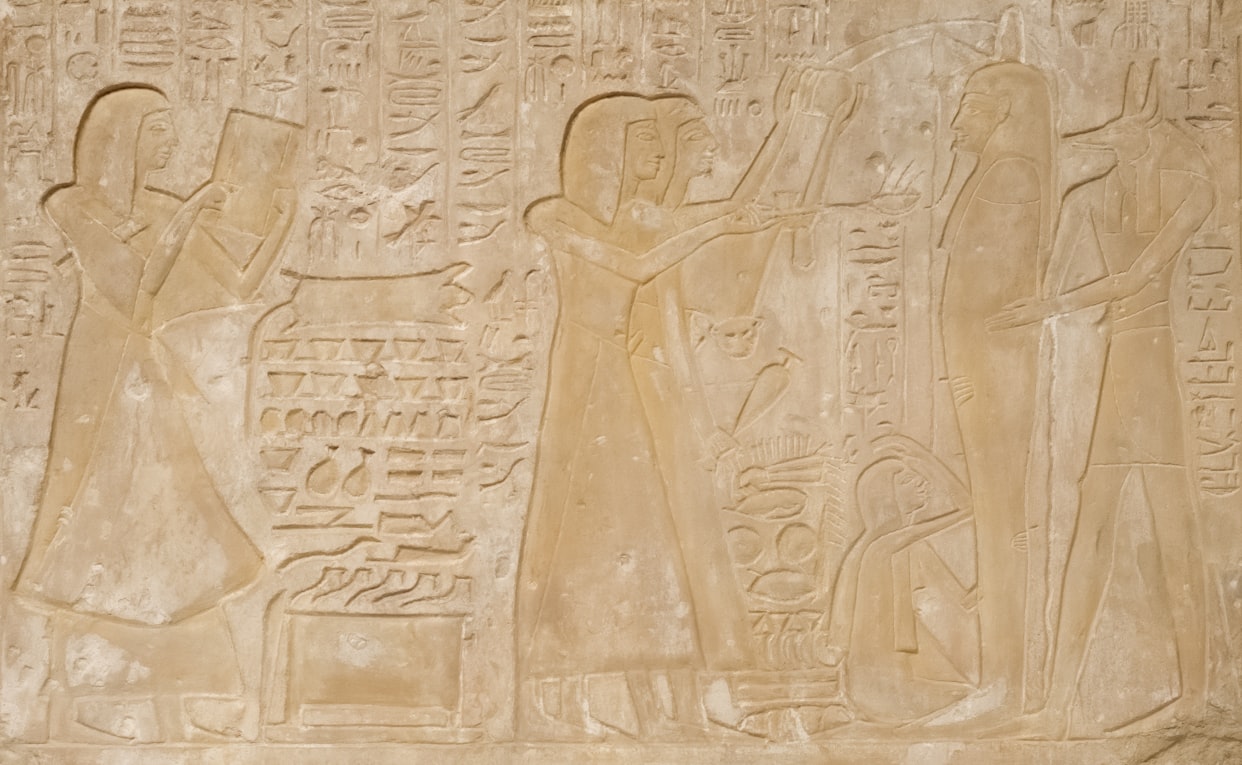
Star of Jacob Jesus: Meaning, Prophecy, Symbolism & Biblical Significance

Gary Hargreaves: A Leader in UK Restructuring and Healthcare Turnaround
eTarget Limited: What It Is, How It Operates & Why You’ve Seen It on a Parcel

Neah Tuohy – From Prison to Purpose
Plftiger: The New Digital Intelligence Concept Shaping Tech Trends
Cory Hein – Mechanical Engineer & Leadership Professional at Teck Resources

Pxless Explained: The Digital Minimalism Trend Taking Over Design

Why FSI Blogs US Are Transforming the Future of Business Thinking
RWU UAR Framework: The Hidden Key Behind Next-Generation Learning
What Is Gaymetu E? The New Digital Concept Explained
Star of Jacob Jesus: Meaning, Prophecy, Symbolism & Biblical Significance
Cory Hein – Mechanical Engineer & Leadership Professional at Teck Resources
Yürkiyr Art and Digital Creativity: A Fusion of Tradition and Innovation
What Is Gaymetu E? The New Digital Concept Explained