
Biography
Cory Hein – Mechanical Engineer & Leadership Professional at Teck Resources


In an industry where heavy machines, complex systems, and demanding conditions shape everyday challenges, only a few professionals manage to stand out for both their technical brilliance and their ability to lead people. Cory Hein is one of those rare individuals. His journey—from engineering classrooms to guiding teams inside one of Canada’s major mining operations—shows how modern engineers are redefining what it means to create impact. Instead of limiting himself to formulas and machinery, he has blended innovation, leadership, and real-world problem-solving to build a career that inspires many in the field.
Who Is Cory Hein?
Cory Hein represents a type of professional increasingly vital in modern industry — someone who marries deep technical understanding with strategic leadership capability. Through his work with Teck Resources Limited, one of Canada’s major mining and metals firms, he has proven how engineers can evolve beyond the purely technical realm and become shapers of organizational performance and culture.
In a sector often defined by heavy machinery, shifting markets, and complex operational demands, Hein’s blend of mechanical engineering knowledge and leadership education offers a blueprint for success. His journey shows how continuous learning, adaptability, and people-centered leadership can stand out even in traditional industries.
Early Life & Academic Background
From the outset, Hein’s academic path laid a strong foundation for his future career. He enrolled at the University of British Columbia, where he completed a Bachelor of Applied Science in Mechanical Engineering. During these formative years (circa 2004–2008), he built his expertise in mechanics, systems thinking, materials, and industrial design — core skills for any engineer aiming to work in heavy industry.
Recognizing that technical skill alone would not be enough for long-term impact, Hein later pursued a Master’s degree in Leadership (Organizational Leadership) at Royal Roads University. This decision reflects a deliberate choice: to equip himself not just to solve mechanical problems, but also to lead people, manage operations, and steer organizational change — a combination that would become central to his career trajectory.
Such a dual educational background — engineering + leadership — positioned Hein to bridge the often-separate worlds of technical execution and human management. In industries like mining, where safety, efficiency, and coordination matter, this blend can make a substantial difference.
Professional Journey at Teck Resources Limited
After completing his undergraduate studies, Hein joined Teck Resources Limited. Over the years, he moved through a series of roles — each stage adding responsibility and breadth to his experience.
In the early phase, as a Project Engineer, he was involved in planning and overseeing engineering tasks, ensuring projects met technical and operational standards. As he progressed to Senior Reliability Engineer and later Shop Maintenance Foreman, his responsibilities grew from individual tasks to managing maintenance processes, equipment reliability, and team coordination.
Ultimately, in his role as Mechanical Engineer (and in other senior capacities), Hein has merged his technical and leadership strengths to contribute meaningfully to mining operations: optimizing maintenance schedules, reducing downtime, improving safety and reliability, and aligning engineering work with broader organizational goals.
This progression — from hands-on engineering to leadership-oriented roles — highlights a deliberate career strategy: not just to grow in rank, but to grow in impact.
Leadership Style & Industry Impact
What distinguishes Hein is not just the titles he holds, but the philosophy he brings. In a sector where engineering and management often remain siloed, he embodies an integrated approach — one that values both mechanical precision and human leadership.
Hein’s leadership emphasizes reliability, safety, mentorship, and continuous improvement. By applying systems-thinking to machinery and maintenance, while fostering team development and communication, he contributes to both the technical efficiency and the organizational health of his workplace.
Beyond his immediate workplace, his journey serves as a model for how modern engineers — often viewed through the lens of technical tasks — can evolve into strategic contributors shaping industry standards, safety culture, and workforce development. In that sense, his influence goes beyond individual projects: he exemplifies the rising importance of engineer-leaders in industrial sectors.
Beyond Work: Values, Mentorship & Broader Contribution
While Hein is defined by his engineering and leadership roles, several sources point out his inclination toward mentorship, community-building, and knowledge-sharing. He is often described as someone who values not only operational success but also the development of people around him.
This human-centered approach — combining professional excellence with compassion, collaboration, and long-term thinking — marks him as more than just an engineer. Whether through formal leadership roles or informal guidance, Hein appears committed to uplifting colleagues, encouraging growth, and contributing to a sustainable culture of learning and improvement.
For professionals at earlier stages of their careers, his path offers valuable lessons: investing in education, embracing dual competencies (technical + leadership), and recognizing that success in heavy industries depends as much on people and culture as on machines and output.
Lesser-Known or Emerging Aspects
Because Hein isn’t a celebrity or widely known public figure, much of the information about him comes through industry-focused profiles and company-related sources. As a result:
- Personal details — early childhood, family background, private life — remain largely undisclosed or unconfirmed.
- Some sources describe him in broader, somewhat vague terms (“emerging figure,” “innovation-oriented professional,” “multi-industry adaptability”) that may reflect optimistic interpretations more than verifiable facts.
- At the same time, concrete professional data — education, positions held, employer history — is much more consistent across sources.
Given this, while it’s reasonable to highlight his technical + leadership profile, it’s best to treat claims beyond his proven career trajectory — such as broader entrepreneurship, “thought-leader in digital innovation,” or “community-wide influence” — with caution. Some sources use general language that may reflect generic templates rather than verified biographical detail.
Frequently Asked Questions
Q1: What is Cory Hein’s educational background?
He completed a Bachelor of Applied Science (B.A.Sc.) in Mechanical Engineering at the University of British Columbia. Later he earned a Master’s in Organizational/Leadership from Royal Roads University.
Q2: Where does he work and what does he do?
He works for Teck Resources Limited in Canada. Over the years he has held roles such as Project Engineer, Senior Reliability Engineer, Shop Maintenance Foreman, and Mechanical Engineer — combining technical and leadership responsibilities.
Q3: What makes his profile different from a typical engineer?
Unlike many engineers who remain focused on technical tasks alone, he blends engineering expertise with leadership skills. This enables him to lead teams, optimize operations, mentor colleagues, and integrate engineering outcomes with organizational strategy.
Q4: Has he influenced the mining industry beyond his company?
While publicly documented large-scale industry interventions aren’t evident, his approach — combining technical skill with leadership — offers a model for modern engineering professionals. Many industry-focused writeups highlight his contributions to operational standards, team development, and engineering-management integration.
Q5: Is there information about his personal life or background outside work?
No reliable public sources provide verifiable details about his early life, family background, or personal pursuits. Most available information centers around his education, career, and professional philosophy.
Conclusion
The story of Cory Hein reflects a subtle but significant shift in industrial professions. No longer is mechanical engineering only about machines and technical problems — today’s industries increasingly demand individuals who can blend technical know-how with leadership, people management, and strategic thinking. Hein emerges as a symbol of this evolution.
From his rigorous engineering training to leadership studies and a steady climb through roles at Teck Resources, he demonstrates that doing well in heavy industry doesn’t require sacrificing human-centred leadership or long-term vision. Instead, such a combination can amplify both individual and organizational success.
Even though personal details about him are scant, the professional trail he leaves — through his educational choices, roles, and reputed approach — is instructive for aspiring engineers, team leads, and industry professionals. In a complex world of machinery, markets, and human teams, Cory Hein stands as an example of how technical and soft skills together can create lasting impact.
Read more About mygreatlearning.co.uk

Why the “Star of Jacob Jesus” Matters
Search interest in “Star of Jacob Jesus” has grown fast, especially among readers exploring biblical prophecy, messianic symbolism, and connections between the Old and New Testaments.
Why this topic matters:
- It sits at the intersection of prophecy, history, theology, and astronomy.
- It is one of the earliest biblical predictions linked to the Messiah.
- For Christians, it forms a prophetic bridge from the Torah → Gospels.
- Scholars across Judaism, Christianity, and archaeology discuss it heavily.
Before going deep, let’s decode the prophecy at its root.
The Origin of the Prophecy — Numbers 24:17 Explained
The phrase “Star of Jacob” comes from Numbers 24:17, where the pagan prophet Balaam declares:
“A star shall come out of Jacob;
a scepter shall rise out of Israel…”
This prophecy has two parallel images:
- Star → Heavenly sign, kingly rise, divine appointment
- Scepter → Authority, rule, leadership
The prophecy was understood as predicting a future leader, someone emerging from the descendants of Jacob (the Israelites).
Because the prophecy is spoken in poetic form, scholars categorize it as a Messianic oracle.
Who Was Balaam? Historical Context of the Prophecy
Understanding Balaam is key to understanding the prophecy.
What We Know Historically
- Balaam was a non-Israelite prophet, likely from Pethor (near the Euphrates).
- Archaeological inscriptions like the Deir Alla Inscription (Jordan) mention a prophet named Balaam son of Beor, confirming his historical existence.
- Balak, king of Moab, hired him to curse Israel.
Instead of cursing Israel, Balaam delivered four blessings, culminating in the Star prophecy.
Why this matters
A prophecy given by a non-Israelite prophet carries unusual weight — even outsiders recognized Israel’s destined ruler.
Understanding the Phrase “Star of Jacob”: Ancient Near Eastern Symbolism
In the ancient Near East, stars symbolized:
- Royal birth
- Heavenly signs of destiny
- Divine endorsement of kings
- Great national leaders
Examples:
- Egyptian pharaohs associated themselves with stars (e.g., Sirius).
- Babylonian kings used astral symbols to mark divine legitimacy.
- Comets often symbolized the rise of empires.
Thus, the “Star of Jacob” wasn’t random imagery — it was a recognized political-spiritual symbol.
How Christians See Jesus as the Fulfillment
Christians connect Jesus to the prophecy for several reasons:
1. Lineage
Jesus’ genealogy traces back to:
- Abraham
- Isaac
- Jacob
- David
(Matthew 1; Luke 3)
2. Symbol of Light
Jesus repeatedly identifies with light:
- “I am the light of the world.” (John 8:12)
3. The Visit of the Magi
The star the wise men followed (Matthew 2) mirrors Balaam’s prophecy in a striking way:
- A star appears
- It signals a king
- It leads to Israel
4. Messianic Authority
The “scepter” implies kingship — fulfilled in Jesus as:
- King of Kings
- Son of David
- Messianic ruler
Early Christians saw the prophecy as a prophetic pointer to the Messiah, fulfilled in the birth, mission, and reign of Jesus.
Is the Star of Jacob Connected to the Star of Bethlehem?
Scholars offer three main views:
View A — Direct Prophetic Fulfillment
Many Christians believe the Star of Bethlehem fulfills Balaam’s prophecy.
View B — Symbolic Parallel
The Star of Jacob predicts the Messiah, and the Bethlehem star symbolizes the same event — not identical, but intertwined.
View C — Separate but Complementary
Both stars point to Jesus but refer to different moments in the salvation story.
Even though the Bible does not explicitly connect them, the theological symbolism is strong.
The Hebrew Meaning of “Star” and “Scepter”
Star — כּוֹכָב (kokav)
Meaning:
- Light, brightness
- Celestial object
- Symbol of ruler or divine sign
Used metaphorically for:
- Angels (Job 38:7)
- Leaders (Judges 5:20)
Scepter — שֵׁבֶט (shevet)
Meaning:
- Staff of authority
- Tribal identity
- Royal power
Used in Genesis 49:10:
“The scepter shall not depart from Judah…”
This strengthens the link between the “star” and the royal line leading to the Messiah.
Messianic Interpretations Across Jewish and Christian Traditions
Jewish Interpretation
- Some rabbis connected the prophecy to King David, whose rise brought Israel victory.
- Others applied it to a future military Messiah, especially during the times of oppression.
- The zealot leader Simon Bar Kokhba (132–135 AD) even took the title “Son of the Star,” intentionally referencing this prophecy.
Christian Interpretation
Christians consistently identify:
- The Star → Jesus
- The Scepter → His kingship
- The Prophecy → Messianic fulfillment
What Early Church Fathers Said About the Star
Justin Martyr (2nd century)
Linked the prophecy to Christ and the Bethlehem star.
Origen
Saw the prophecy as proof of Jesus’ divine kingship.
St. Jerome
Explicitly connected Numbers 24:17 with the Magi’s star in Matthew.
Hippolytus
Called Jesus the “true star arising from Jacob.”
Early Christian writings treated the prophecy as foundational evidence of Jesus’ Messiahship.
The Prophecy in the Dead Sea Scrolls (Qumran)
The Dead Sea Scrolls provide crucial insight.
The Damascus Document and War Scroll mention a figure called:
- “The Star”
- “Prince of the Congregation”
- “Messiah of Israel”
This shows that Second Temple Jews interpreted the “star” as a Messianic title long before Christianity spread.
Astronomical Theories: Was the Star Real?
Historians and astronomers propose several candidates:
1. Jupiter–Regulus Conjunction (3–2 BC)
Jupiter (king planet) aligned with Regulus (king star).
2. Jupiter–Venus Conjunction (2 BC)
Created an extremely bright point of light.
3. Halley’s Comet (12 BC)
A possible awe-inspiring sign.
4. A Supernova
Chinese records mention a visible “guest star” around this period.
5. A Miraculous Supernatural Event
Some scholars argue the star behaved in ways no natural object could.
Regardless of the theory, ancient cultures saw sky signs as meaningful.
Archaeological Insights & Ancient Writings
1. The Deir Alla Inscription
Confirms Balaam as a historical figure.
2. Qumran Writings
Show the “star” interpreted messianically in Jewish texts.
3. Roman & Persian Astrology Texts
Record bright sky events during the likely period of Jesus’ birth.
4. Josephus & Philo
Reference Jewish expectations of a coming king.
Archaeology strengthens the prophecy’s historical foundation.
Modern Scholarship Debates
Scholars fall into several camps:
Historical-Critical Scholars
See the prophecy as political imagery for future Israelite kings.
Theological Scholars
Emphasize Messianic meaning tied to Jesus.
Jewish Scholars
Interpret it in the context of national deliverance.
Astronomical Researchers
Explore the possibility of real sky events backing the narrative.
Regardless of approach, the prophecy remains one of the most discussed in biblical studies.
Conclusion
The Star of Jacob Jesus topic bridges ancient prophecy, symbolism, history, and theology. Whether viewed spiritually or academically, Numbers 24:17 stands as one of the Bible’s most powerful and mysterious predictions.
For Christians, it points unmistakably to Jesus — the Light, the King, and the fulfillment of the ancient promise.
If you’re exploring biblical prophecy, Christian origins, or the historical Jesus, this topic opens a fascinating window into God’s unfolding plan.
FAQs
1. What is the meaning of the Star of Jacob prophecy?
It predicts a future leader from Jacob’s descendants. Christians see it fulfilled in Jesus.
2. Does Numbers 24:17 refer to Jesus?
Many Christian scholars believe it does, especially in connection with the Star of Bethlehem.
3. Is the Star of Jacob the same as the Star of Bethlehem?
The Bible doesn’t explicitly say so, but the symbolism strongly overlaps.
4. How did early Christians interpret the Star of Jacob?
Early church fathers consistently linked it to Jesus’ kingship and the Bethlehem star.
5. Did the Dead Sea Scrolls mention the Star of Jacob?
Yes — they refer to a coming leader called “the Star,” showing early Messianic expectations.
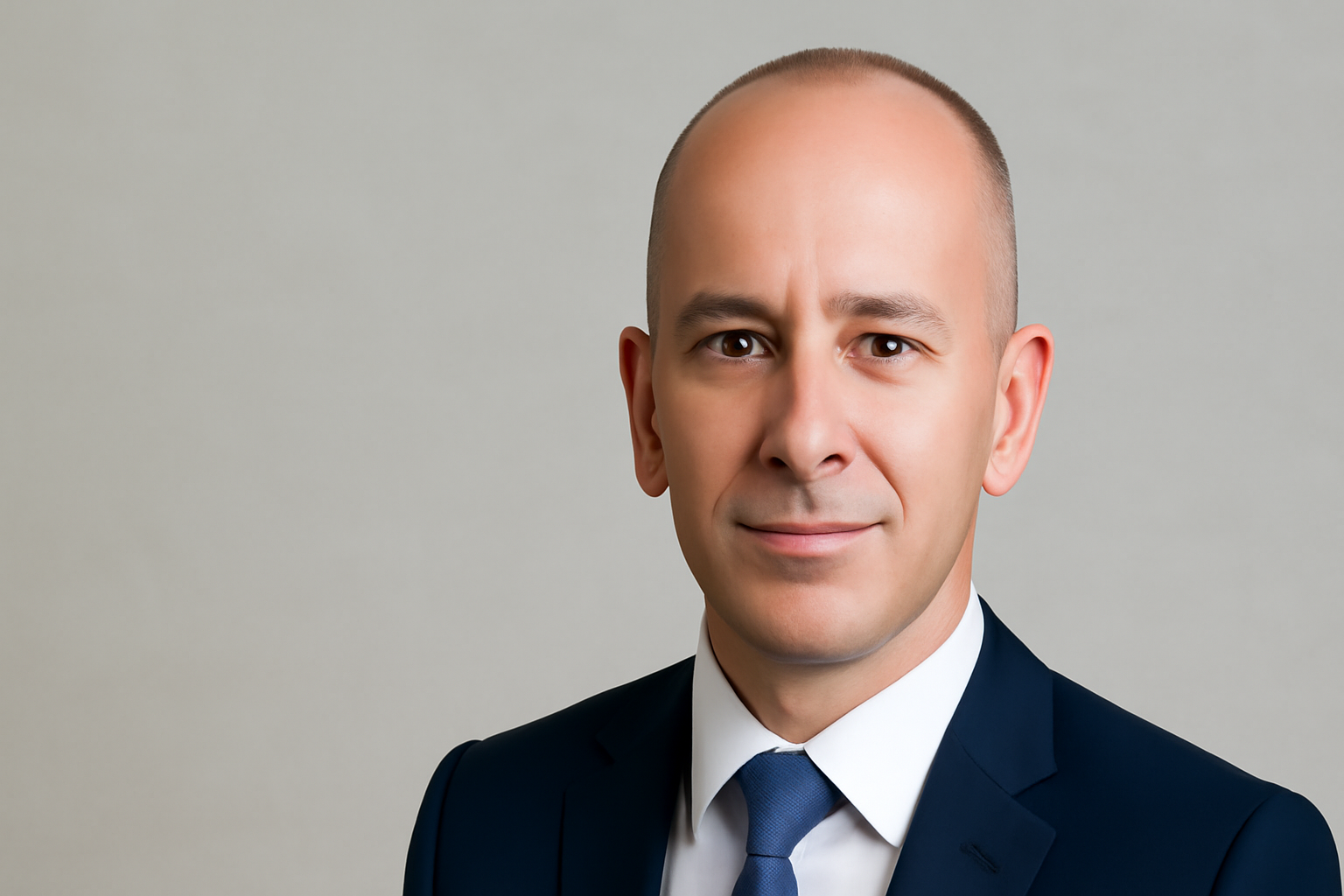
Gary Hargreaves is a prominent name in the field of restructuring advisory in the UK. As a partner at FRP Advisory, he specializes in a niche area that sets him apart from other professionals in the field: adult social-care turnaround and property recovery. His work significantly impacts sectors like healthcare, banking, and social care, making him a crucial figure in resolving financial distress and facilitating business recovery.
In this article, we’ll explore who Gary Hargreaves is, his career highlights, and why his expertise in restructuring and turnaround management matters. You’ll also learn how his niche specialism can offer valuable insights into corporate restructuring and operational recovery.
Who is Gary Hargreaves?
Gary Hargreaves is a partner at FRP Advisory, a leading UK-based restructuring firm. With extensive experience in corporate recovery, Hargreaves has focused much of his career on helping businesses in distress, particularly in sectors such as adult social care and property recovery. His unique approach combines financial restructuring with operational turnaround strategies, making him a go-to professional for complex restructuring challenges.
His role at FRP Advisory involves overseeing and advising on some of the most challenging cases in the restructuring world, helping to guide distressed companies through financial difficulties, regulatory compliance, and operational restructuring.
Career and Specialism: The Niche Expertise of Gary Hargreaves
Gary’s career is characterized by his deep specialization in a select few areas. Here’s a breakdown of the sectors and roles where his expertise shines:
Adult Social Care Turnaround
One of the key sectors where Gary has made an impact is adult social care. This sector, which includes care homes and healthcare providers, often faces significant operational and financial challenges. In recent years, these challenges have intensified due to increasing demand, regulatory pressures, and financial constraints. Hargreaves specializes in turnaround management for businesses in this space, helping to stabilize failing care homes, restructure operations, and improve financial health.
By collaborating with local authorities, regulators, and financial institutions, Gary ensures that care homes not only remain operational but also continue providing essential services to vulnerable populations.
Property Recovery and Real Estate
Gary’s second major focus is property recovery, particularly in distressed or underperforming real estate assets. His ability to restructure property portfolios, recover assets, and negotiate with banks and other financial stakeholders makes him an invaluable resource for companies in financial distress, including property owners, landlords, and developers.
Through his work in property recovery, Gary helps businesses navigate the complexities of liquidation, restructuring, and the disposal of assets. This capability allows him to maximize the value of assets during the recovery process and ensure smooth transactions for both creditors and businesses.
Why Gary Hargreaves’ Approach Matters
Gary Hargreaves’ expertise is essential for navigating the challenging world of restructuring and turnaround. The sectors he focuses on, particularly adult social care and property recovery, often require specialized knowledge that goes beyond traditional insolvency procedures. His experience enables him to handle the intricacies of regulatory compliance, financial restructuring, and operational turnaround—issues that affect the day-to-day viability of distressed businesses.
Combining Financial and Operational Solutions
One of the reasons Gary stands out is his ability to combine financial restructuring with operational management. While many restructuring professionals focus purely on the financial aspects of a business, Gary also works closely with business operations, ensuring that any changes to financial structures are backed by operational improvements. This holistic approach allows businesses to not only recover from financial distress but also operate more efficiently in the long term.
Navigating Stakeholder Interests
In complex restructuring situations, there are often multiple stakeholders with conflicting interests—such as creditors, employees, regulators, and investors. Gary has built a reputation for managing these competing interests effectively. His ability to communicate with and align the goals of different stakeholders is a key part of his success. Whether it’s negotiating with a bank on debt restructuring or working with regulators to ensure compliance, Gary’s expertise allows him to find solutions that satisfy all parties involved.
Key Takeaways from Gary Hargreaves’ Approach
Gary Hargreaves’ career offers valuable lessons for those in the restructuring and advisory fields, particularly those dealing with distressed businesses. Here are some key takeaways from his approach:
1. Focus on a Niche Specialism
Gary’s focus on adult social care and property recovery has allowed him to build a unique expertise that sets him apart from other restructuring professionals. Specializing in a niche area can help you stand out in a crowded market and attract clients who need specialized advice.
2. Combine Financial and Operational Expertise
Gary demonstrates the importance of combining financial restructuring with operational recovery. This ensures that businesses don’t just recover financially but also improve their internal processes, which is essential for long-term stability.
3. Manage Multiple Stakeholder Interests
Gary’s work shows the importance of managing the interests of various stakeholders, such as creditors, investors, employees, and regulators. Effective communication and negotiation skills are essential in these situations, as they help align all parties toward a common goal.
4. Document Real Outcomes
One of the ways Gary builds credibility is by showcasing tangible results from his work. Case studies, where businesses have successfully turned around or assets have been recovered, are key to building trust and demonstrating your expertise.
Frequently Asked Questions (FAQs)
1. Who is Gary Hargreaves?
Gary Hargreaves is a partner at FRP Advisory, specializing in restructuring advisory, with a focus on adult social care and property recovery.
2. What is Gary Hargreaves’ area of expertise?
Gary’s areas of expertise include corporate restructuring, property recovery, adult social care turnaround, and advising distressed businesses on financial and operational recovery.
3. What does FRP Advisory do?
FRP Advisory is a leading UK-based advisory firm specializing in business restructuring, insolvency, and turnaround services. Gary Hargreaves is a partner in the restructuring team.
4. How does Gary Hargreaves help businesses?
Gary helps distressed businesses by restructuring operations, recovering assets, and negotiating with creditors, regulators, and stakeholders to ensure a successful turnaround.
5. Why is Gary Hargreaves important in the adult social care sector?
Gary is one of the few experts who specializes in the turnaround of adult social care businesses, helping them navigate financial difficulties and regulatory challenges.
Conclusion
Gary Hargreaves is a key figure in the UK restructuring and turnaround space. His focus on adult social care and property recovery has allowed him to carve out a unique niche in an industry that demands both financial expertise and operational insight. By combining financial restructuring with operational management, he ensures that businesses not only recover but thrive in the long term.
If you’re in the restructuring field or working with distressed businesses, Gary’s approach offers valuable lessons on managing stakeholder interests, documenting results, and focusing on specialized expertise.
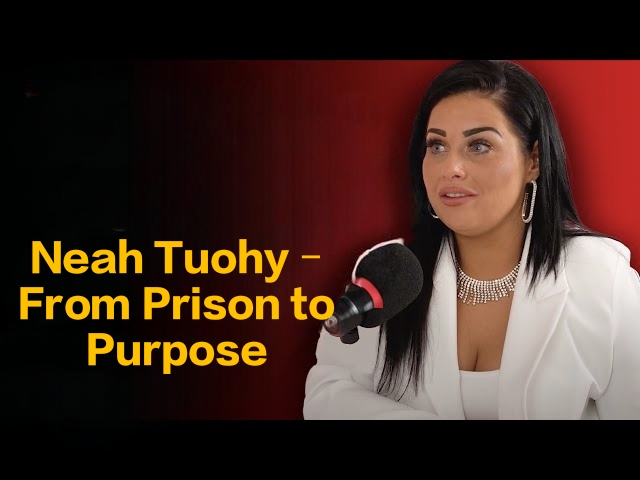
If you’ve come across the name Neah Tuohy, you’re likely encountering a story filled with challenges, transformation, and powerful messages about second chances. Her journey, from a life behind bars to becoming a public speaker and advocate for prison reform, offers insights into the human capacity for change. This article explores her story, the lessons we can learn from it, and the broader issues surrounding the criminal justice system.
1. Who is Neah Tuohy?
Neah Tuohy is a British woman who spent a large portion of her early adult life incarcerated and has since reinvented herself as a public speaker and advocate for prison reform. She is known for sharing her story of overcoming violence, addiction, and the struggles of prison life, and for advocating for second chances for ex-offenders.
Her path to the public stage has been marked by a willingness to discuss her past openly. While her story is compelling, it is still unfolding. It is important to note that much of the detailed information available comes from interviews and self-reported experiences rather than widely documented sources.
2. Early Life and Criminal Path
Neah’s early life is less documented in the mainstream media, but it is clear that her path to criminal involvement started at a young age. Growing up in Essex, UK, Tuohy’s formative years were marked by personal and societal challenges. These early influences contributed to her involvement in criminal activities, which would later result in multiple arrests and convictions.
Tuohy’s criminal activity escalated to violent offences, and by age 24, she had already been convicted of several crimes. One notable incident occurred in 2015, when she was involved in an altercation at a pub, during which she glassed a man. This crime led to a lengthy sentence, which would set the course for much of her adult life. Her story reflects the complexities of crime, punishment, and personal transformation.
3. Prison Sentences – 16 Years?
Tuohy’s prison sentences span a significant portion of her life, and one of the most frequently cited numbers is 16 years. While there are mentions of her serving multiple sentences, the exact breakdown of those years remains unclear in public sources. In 2015, she was sentenced to 12 years for her violent crime. These long periods of incarceration are rare but not unheard of for offenders in the UK, particularly those involved in violent crimes. However, it is important to note that some of the specifics around her time in prison, including the total number of years served and the circumstances of her other convictions, remain largely unverified.
While Tuohy’s story is compelling, the details about her prison time need to be treated with caution. The numbers, as presented in various interviews, may not be fully reflective of the legal facts and should be approached carefully, especially if being used for academic or journalistic purposes.
4. Release & Reintegration
Following her release from prison, Tuohy faced the immense challenge of reintegrating into society. After years of incarceration, transitioning to life outside of prison can be daunting. Tuohy has spoken openly about the difficulties of adjusting to life on the outside. The challenges she faced include societal stigma, the loss of personal identity, and the lack of support systems for ex-offenders.
The process of reintegration often involves more than just physical release—it requires mental and emotional healing. For many, including Tuohy, finding a place in the workforce, rebuilding personal relationships, and adjusting to a society that views them through the lens of their criminal past can be overwhelming. Despite these obstacles, Tuohy chose to take an active role in sharing her story and advocating for others in similar situations.
5. Advocacy Work and Speaker Role
Neah Tuohy has transitioned from being an incarcerated individual to a public advocate for prison reform and second chances. Her work as a speaker focuses on helping others understand the realities of prison life and the importance of rehabilitation over punishment.
In her talks, Tuohy emphasizes the need for prison reform, particularly the importance of providing inmates with the tools they need to reintegrate successfully into society upon release. She believes in the power of education, therapy, and mentorship as key components in the rehabilitation process. By sharing her personal journey, Tuohy hopes to inspire both those currently incarcerated and the wider public to consider alternative approaches to criminal justice.
Her advocacy extends to various platforms, where she uses her story as a way to challenge societal views on crime and punishment. Through her speaking engagements, she has found a sense of purpose in her transformation, hoping to make a difference by helping others avoid the mistakes she made.
6. Key Lessons from Her Journey
Neah Tuohy’s story is filled with valuable lessons that go beyond individual transformation. Here are some key takeaways from her journey:
- The possibility of change: Tuohy’s life demonstrates that even those who spend many years incarcerated can change. Her story challenges the notion that a person’s past defines their future.
- The importance of narrative ownership: By choosing to speak publicly about her past, Tuohy takes control of her narrative, turning a story of violence and incarceration into one of redemption and advocacy.
- Reintegration is a complex process: Her journey highlights that reintegration into society after prison is not just about finding a job or a place to live. It involves psychological, emotional, and social challenges that must be addressed through support systems and self-awareness.
- Advocacy for second chances: Tuohy’s work as an advocate for second chances emphasizes the need for broader social change, where ex-offenders are given the opportunity to rebuild their lives without facing lifelong stigma.
7. Challenges & Critical Questions
While Tuohy’s story is inspiring, it also raises important questions:
- Verification of claims: There is a lack of concrete evidence to verify the exact details of Tuohy’s prison time, which may affect the reliability of some claims. Academic or professional use of her story should be cautious about sourcing.
- Support systems for ex-offenders: While Tuohy has managed to turn her life around, the support systems that made her transformation possible are often inaccessible to many other ex-offenders. This raises questions about the availability and effectiveness of rehabilitation programs in the criminal justice system.
- The simplicity of second-chance narratives: The story of a “bad person turning good” is powerful, but it can oversimplify the challenges of reintegration. How many ex-offenders are truly able to change without proper support? Tuohy’s case is exceptional, but for many, transformation is a much longer and more difficult journey.
8. Conclusion
Neah Tuohy’s story is one of incredible transformation, but it is not without its complexities. Her transition from prisoner to public speaker and advocate for second chances offers valuable insights into the potential for change within the criminal justice system. However, it also raises important questions about how society supports those who have been incarcerated and how we can provide better opportunities for reintegration.
Her story reminds us that people are not defined by their past mistakes, and with the right support, individuals can overcome even the toughest obstacles. If you’re interested in learning more about how we can transform the criminal justice system and offer second chances, consider following Neah Tuohy’s work and engaging in the broader conversation about rehabilitation.
FAQs
Q1: Who is Neah Tuohy?
Neah Tuohy is a former British prisoner who spent significant time incarcerated and is now an advocate for prison reform and second chances.
Q2: What crime did Neah Tuohy commit?
Neah Tuohy was convicted of several violent offences, including a notable incident in 2015 where she glassed a man in a pub.
Q3: How long was Neah Tuohy in prison?
Neah Tuohy served a total of 16 years across multiple sentences, with her longest sentence being 12 years for violent crimes.
Q4: What does Neah Tuohy do now?
Since her release, Neah Tuohy has worked as a public speaker and advocate, promoting prison reform and second chances for ex-offenders.
Q5: What lessons can society learn from Neah Tuohy’s journey?
Her story teaches us about the possibility of personal transformation, the importance of rehabilitation, and the need for better support systems for ex-offenders.

Yürkiyr Art and Digital Creativity: A Fusion of Tradition and Innovation
Star of Jacob Jesus: Meaning, Prophecy, Symbolism & Biblical Significance
Gary Hargreaves: A Leader in UK Restructuring and Healthcare Turnaround

eTarget Limited: What It Is, How It Operates & Why You’ve Seen It on a Parcel
Neah Tuohy – From Prison to Purpose

Plftiger: The New Digital Intelligence Concept Shaping Tech Trends
Cory Hein – Mechanical Engineer & Leadership Professional at Teck Resources

Pxless Explained: The Digital Minimalism Trend Taking Over Design

Why FSI Blogs US Are Transforming the Future of Business Thinking

RWU UAR Framework: The Hidden Key Behind Next-Generation Learning
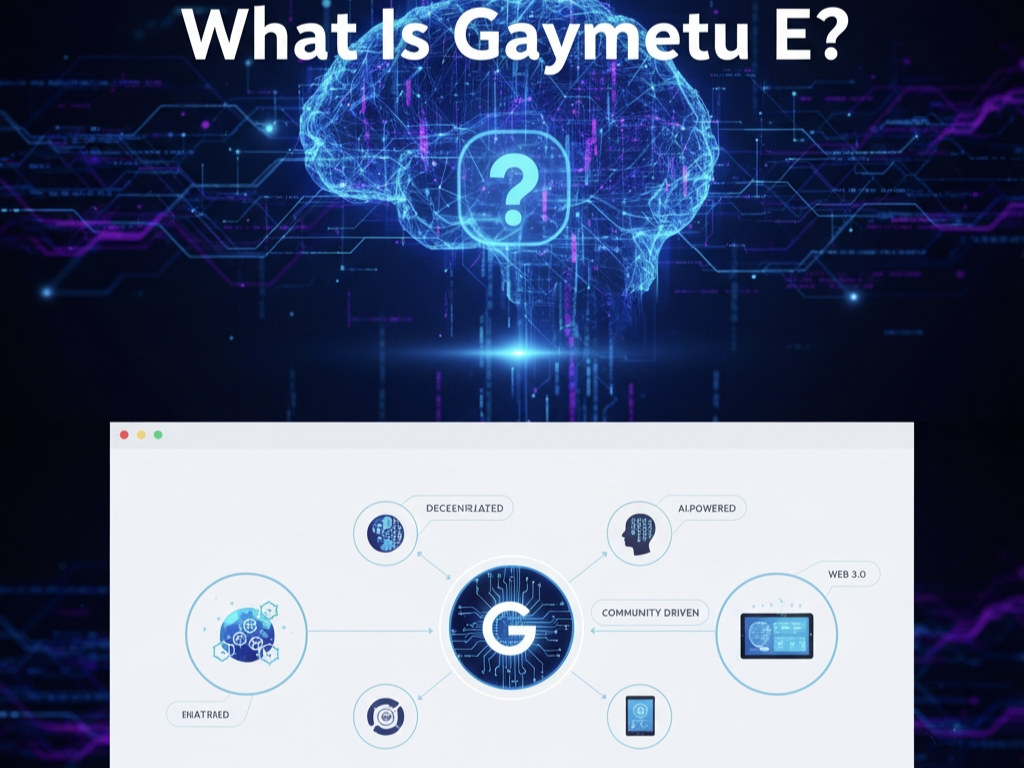
What Is Gaymetu E? The New Digital Concept Explained
Star of Jacob Jesus: Meaning, Prophecy, Symbolism & Biblical Significance
Yürkiyr Art and Digital Creativity: A Fusion of Tradition and Innovation
Cory Hein – Mechanical Engineer & Leadership Professional at Teck Resources
What Is Gaymetu E? The New Digital Concept Explained