
Technology
What Is Gaymetu E? The New Digital Concept Explained

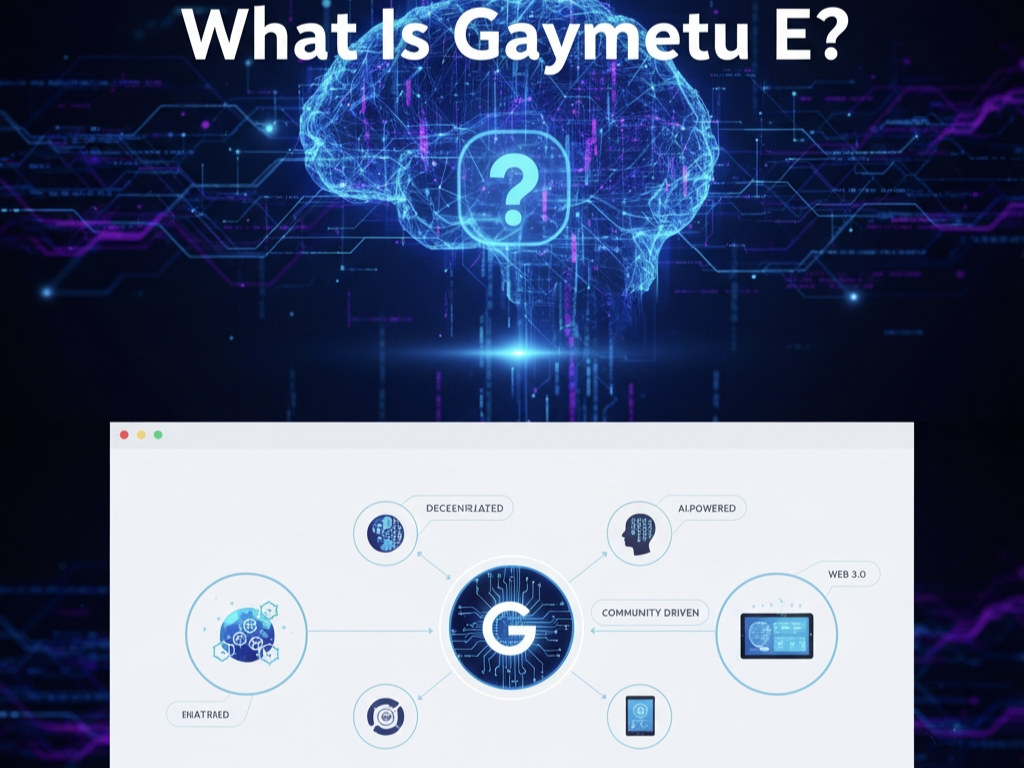
In a rapidly shifting digital landscape, gaymetu e has emerged as a phrase that reflects how online interaction evolves through creativity, culture, and community-driven innovation. Within the first wave of internet-native concepts bridging technology and expression, it symbolizes a broader movement toward platforms built around participation, adaptability, and experiential engagement. As people blend traditional online habits with modern interactive ecosystems, gaymetu e stands at the crossroads of identity, creativity, and technology, offering a glimpse into the future of digital communication. This article explores the roots, relevance, and cultural meaning behind the term, showing how it mirrors the internet’s shift from passive consumption to active co-creation.
What Is Gaymetu E?
Interpreted not as a person but as a concept, gaymetu e represents the next stage of digital experience—where communities collaboratively shape the spaces they inhabit. Imagine a cultural term born organically from online conversations, evolving as people assign new meanings, experiment with virtual interaction, and build shared digital environments. Gaymetu e behaves almost like a living idea, adapting to different users, platforms, and cultural contexts. It symbolizes how digital identity is no longer limited to profiles or static pages; instead, it flows through interactive engagements, creative participation, and the blending of personal expression with technological innovation. Through this humanized lens, gaymetu e captures the spirit of a generation shaping the internet—rather than simply using it.
The Evolution of Gaymetu E in Online Culture
The idea of gaymetu e mirrors how online audiences shift from traditional browsing to immersive engagement. As digital life expands beyond static interfaces, users seek spaces that respond dynamically, allow them to shape narratives, and encourage personalized experiences. This is where gaymetu e finds its symbolic strength. It frames the transition toward environments that grow alongside users—much like decentralized communities, creative hubs, or hybrid social platforms. LSI variations such as digital engagement trend, interactive tech identity, and community-driven online culture help illustrate the broad ecosystem surrounding the term. Gaymetu e ultimately becomes a reflection of how the internet evolves: flexible, participatory, and deeply intertwined with creativity.
Why Gaymetu E Resonates With Modern Digital Users
In today’s fast-moving online world, consumers gravitate toward concepts that allow personalization and creative contribution. Gaymetu e captures this desire by representing flexible, user-shaped digital ecosystems. It aligns with the rise of interactive media, participatory platforms, and content models built on engagement rather than consumption. Experts in the field suggest that community-centered online spaces are becoming essential as users seek ownership of their digital identities. By symbolizing this shift, gaymetu e resonates across cultures and platforms.
How Gaymetu E Represents Adaptability and User Creativity
One of the strongest dimensions of gaymetu e is its emphasis on adaptability. It’s not tied to a single platform or format; instead, it reflects a mindset where digital experiences are tailored by users. Whether through interactive storytelling, co-creation tools, virtual events, or flexible platforms, gaymetu e embodies an online culture that evolves through creativity. This adaptability makes the term relevant across diverse digital settings.
Gaymetu E and the Rise of Community-Shaped Digital Spaces
Gaymetu e symbolizes communities taking an active role in shaping the online platforms they use. This includes collaborative features, creative tools, open forums, and hybrid interactive spaces. In these environments, identity becomes dynamic and expressive. As users design, remix, or participate in digital ecosystems, the concept of gaymetu e becomes a cultural touchpoint.
Related topics you may explore on our site include digital culture, community experiences, and online identity.
The Role of Gaymetu E in Future Online Ecosystems
As digital technologies evolve, so does the meaning of gaymetu e. The term will likely become associated with new forms of hybrid engagement—augmented collaboration, participatory virtual worlds, or next-generation social platforms. Its future lies in how people continue to assign meaning to it, refine it, and integrate it into emerging digital conversations. Gaymetu e may eventually symbolize not just interaction, but transformation in how online communities shape their own environments.
The Cultural Impact of Gaymetu E
Blending Semantic Keywords With Cultural Meaning
From creative digital expression to user-shaped environments and adaptive online culture, the terminology surrounding gaymetu e reinforces its identity as a cultural symbol. It represents the emotional and inventive layers of internet life—spaces where digital identity, community participation, and collaborative engagement converge. The term thrives because it is flexible; its meaning can expand as digital culture evolves.
Gaymetu E as a Bridge Between Tradition and the Future
A Concept Rooted in the Past but Designed for What Comes Next
Though modern in its tone, gaymetu e carries traces of early internet culture—forums, DIY creativity, community-driven innovation. It blends these roots with a futuristic outlook centered on immersive interaction, platform adaptability, and fluid digital identity. As online experiences move into more experiential and personalized realms, gaymetu e becomes a meaningful symbol for the next chapter of internet evolution.
Conclusion
In a world where online experiences grow more interactive, personalized, and creative, gaymetu e serves as a cultural marker for this transformation. It represents a shift toward flexible digital ecosystems shaped not by rigid platforms but by active, expressive communities. As users continue to blend tradition with innovation, the meaning of gaymetu e will expand—becoming a guiding idea for the future of online engagement.
FAQs
1. What does gaymetu e actually mean?
Gaymetu e is a modern digital-concept keyword describing the shift toward interactive, community-shaped online experiences. While not tied to a single definition, it reflects user-driven content, adaptable technology, and evolving digital culture. Its meaning grows as more users adopt the term in discussions about immersive and creative online spaces. Because of its flexibility, it is often used in conversations about digital identity, platform innovation, and modern internet culture.
2. Is gaymetu e a platform or a cultural phenomenon?
Gaymetu e is best understood as a cultural idea rather than a specific platform. It represents a mindset of digital adaptability, creative participation, and interactive engagement. Some people use it as a symbolic term for emerging online environments that allow deeper user involvement. Its interpretive nature makes it applicable across many digital experiences, from creative communities to evolving social ecosystems.
3. Why has gaymetu e gained attention recently?
Interest in gaymetu e has risen because it aligns with growing trends in user-driven online culture. As people seek spaces where they can create, collaborate, and express themselves freely, terms like gaymetu e help capture this shift. The concept fits naturally into discussions about virtual interaction, community participation, and the future of digital identity—making it relevant across cultures and platforms.
4. How is gaymetu e connected to user-generated content?
Gaymetu e symbolizes the move toward digital ecosystems shaped by users rather than centralized creators. In environments that embody this idea, people contribute stories, media, designs, and interactions that collectively define the space. The concept reinforces the importance of participation, creativity, and collaborative evolution—making user-generated content a core pillar of its identity.
5. Will the meaning of gaymetu e change over time?
Yes. Because gaymetu e is concept-driven rather than fixed, its meaning will evolve as digital culture shifts. As technology advances and people experiment with new forms of interaction—virtual worlds, creative platforms, hybrid social systems—the term will grow with them. This fluidity is part of what makes gaymetu e culturally significant.
read more about Mygreatlearning
In today’s fast-evolving creative world, pxless has emerged as a modern expression of digital minimalism, blending artistic restraint with future-facing innovation. Over the last decade, culture has shifted toward cleaner interfaces, simplified branding, and human-centered visuals, motivating creators to think beyond traditional pixel-based design. Pxless captures this shift—representing a mindset where intuitive experiences matter more than raw decorative detail. Whether applied to UI/UX design, branding, or digital illustration, the pxless approach emphasizes clarity, emotion, and purpose over noise. As modern creators embrace both cultural authenticity and high-tech aesthetics, pxless stands at the crossroads of tradition, restraint, and futuristic creativity.
What Is Pxless?
Pxless a creative philosophy and design direction born from modern digital culture. The term reflects a mindset where designers prioritize meaning over meticulous pixel-count precision. In an age dominated by visual overload, pxless encourages creators to focus on the story behind the design rather than the technical constraints. This concept has gained traction among digital artists, brand developers, and interface designers seeking a more fluid and emotionally intuitive approach. Rather than eliminating detail, pxless encourages intentional simplicity, merging the classic principles of minimalism with modern technological possibilities.
Quick status
| Attribute | Description |
|---|---|
| Concept Name | Pxless |
| Category | Digital design philosophy |
| Origin | Modern minimalist design trends |
| Focus | Clarity, emotion, experience over pixel perfection |
| Used In | Branding, UI/UX, digital art, product design |
| Core Value | Intentional simplicity |
| Related Trends | Frictionless UX, micro-minimalism, fluid design |
The Rise of Pxless in Modern Creativity
As digital interfaces evolve, designers increasingly turn to pxless aesthetics to create smoother, more intuitive experiences. This movement leans into simplicity without sacrificing emotional depth. Visual balance, rather than micro-details, becomes the guiding principle. LSI keywords such as minimalist graphics, experience-first design, and frictionless interfaces often appear alongside discussions of pxless. The shift also mirrors cultural preferences toward authenticity—design that feels human, breathable, and meaningful. Pxless thrives in this environment because it supports clarity and reduces mental load, helping users interact with content effortlessly.
How Pxless Influences UI/UX Design
In UI/UX, pxless pushes designers to focus on user intention rather than decorative excess. Clean spacing, semantic color use, and intuitive navigation define this approach. According to industry professionals, interfaces built using pxless principles report higher user satisfaction due to reduced cognitive friction. This design mindset strips away unnecessary visual weight and enhances accessibility. As screens vary in resolution and size, pxless also supports fluidity—ensuring layouts adapt without pixel-specific constraints. Designers gain freedom to prioritize user emotion, storytelling, and contextual interaction over technical rigidity.
Pxless in Branding and Visual Identity
Branding has shifted from ornate logos to flexible, adaptable identities. The pxless principle supports systems that scale smoothly across platforms, from mobile apps to large-format signage. A pxless-inspired identity is built with modular components, subtle contrast, and meaningful symbolism. This allows brands to express personality without overwhelming audiences. The movement’s resonance stems from its emotional intelligence—brands appear trustworthy and modern when they communicate clearly and without unnecessary clutter. Pxless branding offers a timeless quality, aligning with both traditional storytelling and digital-era expectations.
Why Content Creators Embrace the Pxless Style
For writers, artists, and content creators, pxless provides clarity of purpose. It encourages removing noise, refining ideas, and presenting messages with intention. This is especially valuable in a social media landscape overflowing with visual saturation. Pxless techniques—such as simplified layouts, whitespace strategy, and focused composition—help creators highlight what truly matters. Related topics you may explore on our site include digital minimalism and creative workflow optimization. By stripping content to its essential form, creators craft more impactful narratives that resonate strongly with modern audiences.
The Future of Pxless Design Philosophy
The pxless movement is likely to expand as digital experiences become more immersive and multi-sensory. Future design systems may evolve beyond pixels entirely—driven by gesture, voice, and AI-assisted spatial interfaces. Pxless thinking prepares creators for this transition, urging them to design for emotion and adaptability. Rather than anchoring creativity to screens, pxless invites a broader perspective: what does a user truly need at any moment? This mindset aligns with next-generation interfaces where clarity, trust, and comfort shape digital interactions.
Semantic Applications of Pxless in Creative Workflows
Creators can apply pxless principles in various ways: simplifying color palettes, using semantic typography, reducing interface friction, or building modular layout systems. Semantic keywords such as clean design, fluid visuals, minimalist digital style, and aesthetic restraint naturally support the broader pxless concept. When applied thoughtfully, these principles enhance both functionality and aesthetic appeal. Pxless workflows encourage intentional design decisions and reduce the clutter often introduced through rushed or overly complex creative processes.
Tradition Meets the Future: The Cultural Depth of Pxless
Pxless may sound futuristic, but its roots align with timeless traditions like Japanese wabi-sabi, Scandinavian minimalism, and Bauhaus functionalism. These movements value purpose, balance, and understated beauty—qualities mirrored in digital pxless trends. Today’s designers blend these cultural lessons with emerging technologies such as AI-assisted graphics and responsive visual systems. The result is a hybrid approach that honors simplicity while embracing innovation. Pxless stands at this intersection, reminding creators that meaning often emerges from restraint rather than excess.
Conclusion
Pxless represents more than a design aesthetic—it’s a cultural and creative philosophy encouraging intentional simplicity and emotional clarity. As digital experiences continue evolving, pxless offers a grounding framework rooted in authenticity and modern innovation. Its emphasis on meaning over micromanaged pixels allows creators to design with greater freedom, purpose, and impact. By embracing pxless, designers align themselves with the future of human-centered creativity while maintaining a timeless commitment to purposeful minimalism.
FAQs
1. What does “pxless” mean in design?
Pxless describes a design philosophy that moves beyond pixel-perfect precision and emphasizes clarity, emotional resonance, and user-focused simplicity. Instead of obsessing over exact pixel measurements, creators prioritize the overall experience, flow, and intuitive interaction. This approach is especially useful in multi-device environments where strict pixel control is unnecessary. Pxless thinking ultimately helps designers create more flexible, timeless visuals that adapt across platforms without losing meaning.
2. How is pxless different from traditional minimalism?
While minimalism focuses on reducing elements, pxless centers on intentional design choices that reduce cognitive friction. Traditional minimalism removes visual components to achieve simplicity, but pxless emphasizes purposeful structure and emotional clarity. It considers how users feel and move throughout a design. Pxless also adapts better to modern technologies, responding fluidly to screen sizes and interactive environments. This human-centered focus sets it apart from purely aesthetic minimalism.
3. Why do brands use pxless-inspired identities?
Brands adopt pxless principles to communicate authenticity, modernity, and trust. By removing unnecessary decorative elements, a brand presents itself as transparent and user-first. Pxless logos and identity systems also scale better across digital touchpoints, from app icons to large displays. This adaptability helps maintain consistency across platforms. Additionally, the clean aesthetics of pxless branding create emotional comfort, making brands appear more approachable and reliable.
4. Can pxless be used in complex design projects?
Yes—pxless is highly effective in complex projects because it simplifies decision-making and enhances user understanding. Large systems like dashboards, product interfaces, or multi-layered websites benefit from pxless structure. Designers can organize information more coherently, reduce visual clutter, and create clear navigation paths. This approach doesn’t limit creativity; instead, it ensures every element has purpose. Pxless ultimately improves usability without sacrificing sophistication.
5. How can creators apply pxless in their workflow?
Creators can start by prioritizing intent over detail. This includes choosing simpler color schemes, embracing whitespace, and focusing on clear typography. They can also evaluate each element’s purpose before adding it to a layout. Pxless workflows encourage iterative refinement—removing unnecessary layers and sharpening the emotional impact. Tools that promote modularity, fluid design, or AI-assisted composition align naturally with pxless methods. Over time, creators gain clarity and consistency through this streamlined approach.
Read more About mygreatlearning
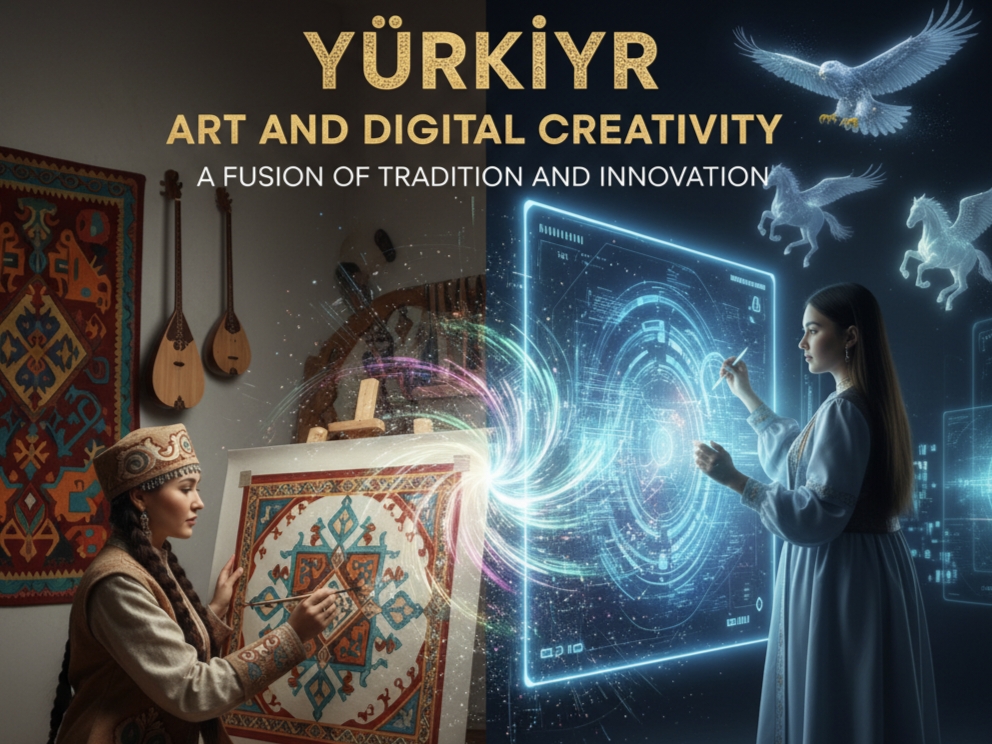
Yürkiyr art is an emerging creative movement that lies at the intersection of cultural heritage and cutting-edge digital design. It blends the soul of ancient folklore with the limitless possibilities of digital tools, creating a vibrant new visual language. From abstract digital paintings rooted in tribal motifs to interactive augmented reality (AR) experiences that revive ancient myths, Yürkiyr is both modern and deeply rooted in tradition. For digital artists, it represents a powerful opportunity to create meaningful, culturally rich artwork in a tech-driven world. In this article, we’ll explore the origins, techniques, benefits, and challenges of Yürkiyr art — offering practical steps for making your own and connecting with audiences who crave authenticity and innovation in the digital age.
What Is Yürkiyr Art and Why Is It Important?
Yürkiyr art is a unique blend of culture and creativity that bridges historical artistic practices with present-day digital technologies. It represents a response to a globalized world where cultures are at risk of fading due to oversaturation of generic digital content. Yürkiyr artists revive and reinterpret traditional symbols, textiles, calligraphy, and myths, presenting them using digital tools in ways that resonate with modern audiences. This fusion makes Yürkiyr more than just an aesthetic — it’s a medium for preservation and evolution.
Why It Matters:
Yürkiyr is significant for both cultural and creative reasons. It helps preserve endangered art forms by reimagining them in new contexts. It offers representation and visibility to cultures and identities often overlooked in mainstream media. And most importantly, it empowers artists to build bridges between history and innovation. By bringing stories from the past into the digital present, Yürkiyr keeps culture alive in an increasingly virtual world.
How Yürkiyr Art Works: Techniques and Key Components
Creating Yürkiyr art involves more than simply combining cultural patterns with digital tools — it requires an understanding of both cultural symbolism and digital craftsmanship. Artists begin by studying their own cultural heritage or that of others, focusing on traditional motifs, ceremonial symbols, or patterns that carry deeper meaning. These elements are then reimagined or stylized using digital media, such as graphic design software, 3D modeling platforms, or AI-based art tools.
Key Decision Points in Creation:
- Color: Traditional earthy tones or bold neon gradients?
- Texture: Grainy and tactile or smooth and hyper-real?
- Medium: Static illustration, animated sequence, 3D sculpture, or AR experience?
The blending of handcrafted inspiration with algorithmic precision is what gives Yürkiyr art its distinctive look. Modern tools like Procreate, Photoshop, Blender, and Midjourney enable artists to go from sketch to intricate visual compositions quickly, allowing rapid experimentation and hybrid creation. Ultimately, Yürkiyr art reflects the harmony between ancestral identity and modern imagination.
Benefits of Embracing Yürkiyr Art in the Digital Era
Yürkiyr art is gaining traction globally, not just because it looks stunning, but because it carries profound cultural and creative significance.
1. Cultural Revitalization:
By translating ancient themes into digital mediums, it helps preserve and popularize cultural traditions in ways accessible to younger and global audiences.
2. Creative Opportunity:
Yürkiyr offers endless potential for artistic expression. With digital tools, creators can experiment with form, color, and symbolism without the constraints of physical materials, making the creative process more democratized and inclusive.
3. Economic Potential:
With the rise of NFTs, digital art galleries, and creator economies, Yürkiyr artists can monetize their work across platforms like OpenSea, Foundation, and Instagram. A well-crafted series of Yürkiyr-inspired works could become a sought-after art collection.
4. Community & Visibility:
Sharing Yürkiyr art fosters community among artists of similar interest in cultural storytelling. It allows creators to connect globally and spark collaborative projects that celebrate cultural diversity.
Common Challenges in Yürkiyr Art Creation
Despite its rich potential, creating Yürkiyr art isn’t without challenges. First, there’s a risk of misrepresentation — cultural symbols often carry deep historical or spiritual meaning that can be misunderstood or inadvertently disrespected when used without context. Artists must be mindful of cultural appropriation and aim to stay authentic and informed.
Another hurdle is mastering the range of digital tools required to produce professional-grade art. While platforms like Procreate or Canva are user-friendly, more advanced tools such as Blender or Unreal Engine take time and practice.
Additionally, in a crowded digital space where trends come and go rapidly, standing out can be tough. Artists must balance tradition and innovation creatively without losing the essence of Yürkiyr. Making your work feel fresh, yet culturally grounded, is a delicate task that requires continuous learning and experimentation.
Real-Life Examples of Yürkiyr Art in Action
Yürkiyr art is already being embraced by creators worldwide — from independent illustrators to NFT collectives and interactive AR experiences.
- Example 1: A series of digital paintings inspired by Turkish kiln patterns infused with sci-fi color palettes. These pieces exhibit bold lighting and geometric precision while retaining rustic, symbolic textures.
- Example 2: A 3D-animated short film that uses Yürkiyr-inspired designs to retell a creation myth from folklore, featuring floating symbols set against digital landscapes.
- Example 3: An NFT drop exploring identity and diaspora through generative art. Each piece evolves over time based on blockchain interaction, symbolizing cultural fluidity.
These examples demonstrate how Yürkiyr can serve multiple art forms beyond static illustrations — from storytelling and education to immersive experiences.
How to Start Creating Yürkiyr Art: Actionable Tips
Creating Yürkiyr art is accessible to beginners and experts alike. Here’s a step-by-step approach:
- Understand the Roots: Research cultural symbolism, language, and design principles from regions or cultures that inspire you.
- Sketch by Hand First: Start with traditional sketches to capture the soul of the concept before digitalization.
- Select Your Medium: Whether you work in Photoshop, Procreate, Blender, or AI tools, choose what aligns with your style.
- Experiment with Texture and Layers: Digital tools allow you to simulate traditional effects like brush lines, embroidery textures, or mosaic effects.
- Tell a Story: Let your artwork represent a narrative — a myth, a feeling, a belief — this connection is what defines the Yürkiyr style.
- Engage & Iterate: Share your art on social media, gather feedback, and continuously refine your work.
Expert Recommendations for Mastering Yürkiyr
Experts agree that Yürkiyr art is most compelling when practiced with respect, curiosity, and authenticity.
- Develop Cultural Literacy: Dive deep into folklore, symbolism, and legends. Understand the stories behind the symbols you use.
- Stay Technically Versatile: As digital tools evolve, keep updating your skillset. Try combining AI with hand-painted textures.
- Find Your Voice: Don’t just copy cultural motifs — interpret them in your unique voice. Mix elements unexpectedly to write your own visual language.
- Join Artist Communities: Spaces like DeviantArt, Behance, and even Discord groups help you stay connected and inspired.
- Think About Purpose: Ask yourself: What story does my art tell? What does it add to the visual and cultural landscape?
Conclusion
Yürkiyr art is more than a trend — it’s a cultural and artistic movement that honors heritage while embracing digital innovation. Whether you’re digitally reimagining ancient symbols or crafting AR experiences that revive ancestral stories, Yürkiyr offers limitless potential for creativity and expression. It’s a powerful way to contribute to cultural dialogue, preserve identity, and shape the future of art. Start today — immerse yourself in your heritage, explore digital tools, and create art that bridges generations. The world is ready to see your Yürkiyr vision.
Explore more guides on our website. Share your feedback in the comments.
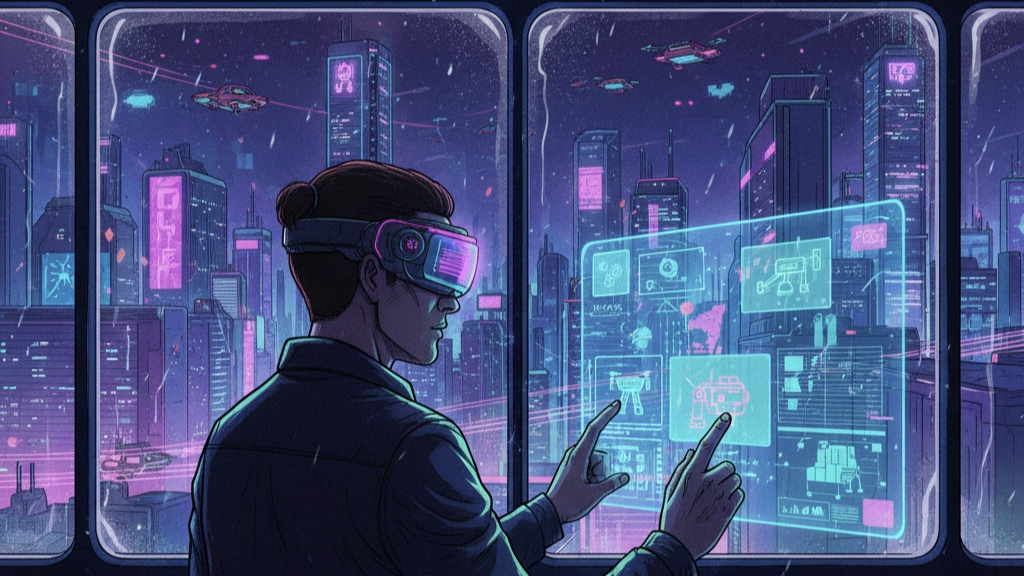
Plftiger is emerging as a forward-thinking digital intelligence idea that blends smart automation, advanced analytics, and modern cybersecurity into one adaptive structure. As technology becomes more cultural, more human-centered, and more integrated into daily workflows, Plftiger represents a shift toward systems that think before problems occur. The concept blends traditional logic with modern innovation, creating a narrative where digital ecosystems are not only efficient but naturally intelligent. Within the first look, Plftiger reflects a new generation of technology designed to support industries moving toward smarter operations, predictive insights, and secure digital transformation—all wrapped inside a framework that evolves with time.
What Is Plftiger?
Plftiger is a conceptual digital framework built around intelligent decision-making. It merges data-driven behavior, secure automation, and decentralized processing to create a flexible system for today’s dynamic tech environment. The idea didn’t appear out of nowhere; it grew from the global demand for tools that adapt fast, eliminate guesswork, and simplify complicated tasks. Story-wise, Plftiger mirrors the modern tech journey—where companies want systems that understand context, anticipate risks, and deliver clarity. It aligns with the growing movement toward integrated, responsive digital ecosystems.
Why Modern Industries Are Exploring the Plftiger Philosophy
Plftiger resonates with industries because it supports efficiency while promoting creative problem-solving through intelligent automation. With NLP-driven insights, adaptive systems, and behavior-based analytics, Plftiger offers a fluid ecosystem that adjusts to real-time challenges. Many organizations seek a structure that can reduce digital noise and strengthen accuracy without limiting innovation. Terms like “intelligent workflow,” “smart automation,” and “next-generation data control” naturally connect to its conceptual design. Its appeal grows with companies looking for clean, frictionless operations.
How Plftiger Enhances Predictive Intelligence
Predictive intelligence is becoming the backbone of modern business strategies, and Plftiger aligns itself perfectly with this shift. It encourages systems to anticipate hazards, detect anomalies, and respond before problems escalate. From financial fraud patterns to healthcare monitoring, predictive logic is essential for high-risk industries. Experts in the field suggest that emerging frameworks focusing on data interpretation and automated analysis will shape the next decade of technological advancement. Plftiger fits into this landscape by offering a concept that merges smart computation with practical, real-world decision-making.
Key Components That Make the Concept Stand Out
The core strength of Plftiger lies in its blended structure: automation, secure channels, data ecosystems, and decentralized functionality. These components work together like an intelligent network that evolves as the digital environment changes. Rather than relying on a single system, Plftiger promotes clusters of adaptive tools that support real-time decisions. This makes it appealing for industries that handle sensitive data or scale at rapid speeds. Strong transitions between workflow stages ensure clarity while maintaining operational precision.
Industry Use Cases & Conceptual Applications
Industries like healthcare, fintech, and software development can greatly benefit from a system inspired by the Plftiger model. Healthcare could use predictive alerts and secure data channels to enhance patient care, while finance can analyze high-risk events faster. Software companies may adopt decentralized processing to handle large-scale operations with fewer vulnerabilities. Related topics you may explore on our site include intelligent automation systems, cybersecurity frameworks, and enterprise-level AI tools. Each connects naturally to the Plftiger philosophy and its modern relevance.
Why Adaptive System Design Is the Future
Adaptive digital systems are replacing static structures that no longer meet modern demands. Plftiger supports this transition by emphasizing flexibility and data awareness. Organizations require frameworks that grow with their user needs, market changes, and operational risks. Adaptive design ensures businesses stay aligned with evolving digital environments. This future-focused thinking gives Plftiger a unique place among emerging technologies, positioning the concept as a bridge between today’s needs and tomorrow’s challenges.
How Plftiger Strengthens Cyber Defense Models
Digital threats evolve quickly, and cybersecurity models must respond even faster. Plftiger introduces ideas related to decentralized protection, intelligent monitoring, and encrypted decision layers. Using semantic keywords like “dynamic threat analysis” and “autonomous protection,” Plftiger supports a world where digital systems can secure themselves with minimal human intervention. These features align with modern security standards that demand proactive rather than reactive defense.
Cultural Roots and Future Innovation Combined
Technology usually evolves from cultural patterns—how people work, share, and interact with systems. Plftiger blends these cultural movements with futuristic strategy, ensuring technology stays meaningful and user-centered. This balance of tradition and modernization shapes a vision where digital systems feel intuitive, relevant, and aligned with long-term goals. The concept brings together the stability of the past with the innovation of the future.
Conclusion
Plftiger represents more than a technological idea—it symbolizes a next-generation shift toward intelligent, adaptive, and secure digital ecosystems. As businesses face increasing complexity, they need models that offer clarity and predictive support. Plftiger delivers this promise through flexibility, smart automation, and future-oriented security. Its potential makes it an emerging concept worth watching, especially as organizations evolve toward cleaner, more efficient digital landscapes.
FAQs
1. What makes Plftiger different from traditional digital systems?
Traditional systems are static, while Plftiger promotes adaptive intelligence with automated workflows, predictive analytics, and decentralized protection.
2. Is Plftiger a fully developed technology?
No, it is currently an emerging conceptual model often discussed in modern tech spaces, not yet a fully established commercial platform.
3. Which industries can adapt Plftiger-like models?
Industries such as finance, cloud computing, AI development, and healthcare can apply its principles to improve efficiency and security.
4. How does Plftiger support cybersecurity?
It focuses on decentralized security, behavior-based monitoring, and real-time intelligence, creating a more proactive defense environment.
5. Does Plftiger promote automation?
Yes, its conceptual structure supports smart automation, enabling businesses to reduce manual tasks and improve operational accuracy.
Learn more about mygreatlearning
Yürkiyr Art and Digital Creativity: A Fusion of Tradition and Innovation
Star of Jacob Jesus: Meaning, Prophecy, Symbolism & Biblical Significance

Gary Hargreaves: A Leader in UK Restructuring and Healthcare Turnaround
eTarget Limited: What It Is, How It Operates & Why You’ve Seen It on a Parcel

Neah Tuohy – From Prison to Purpose
Plftiger: The New Digital Intelligence Concept Shaping Tech Trends

Cory Hein – Mechanical Engineer & Leadership Professional at Teck Resources
Pxless Explained: The Digital Minimalism Trend Taking Over Design

Why FSI Blogs US Are Transforming the Future of Business Thinking
RWU UAR Framework: The Hidden Key Behind Next-Generation Learning